Solutions
Refrigeration
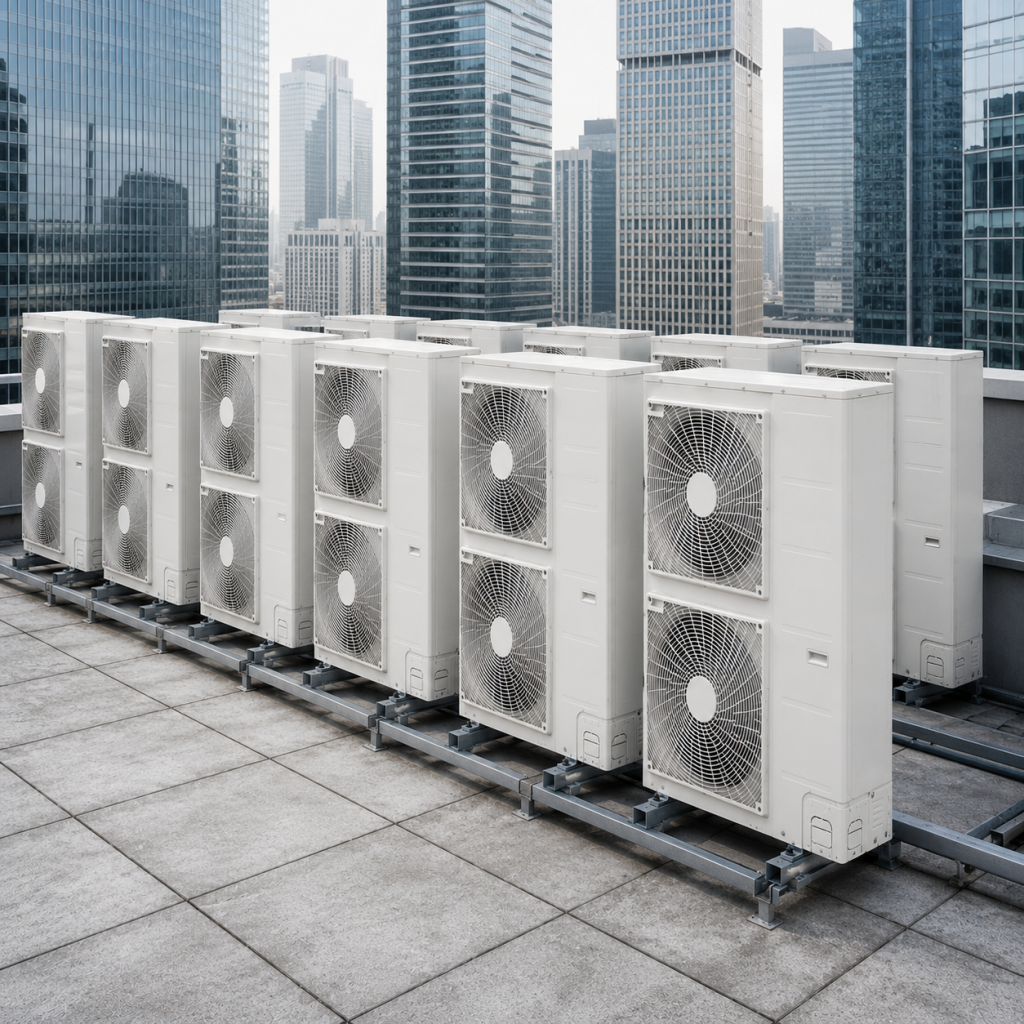
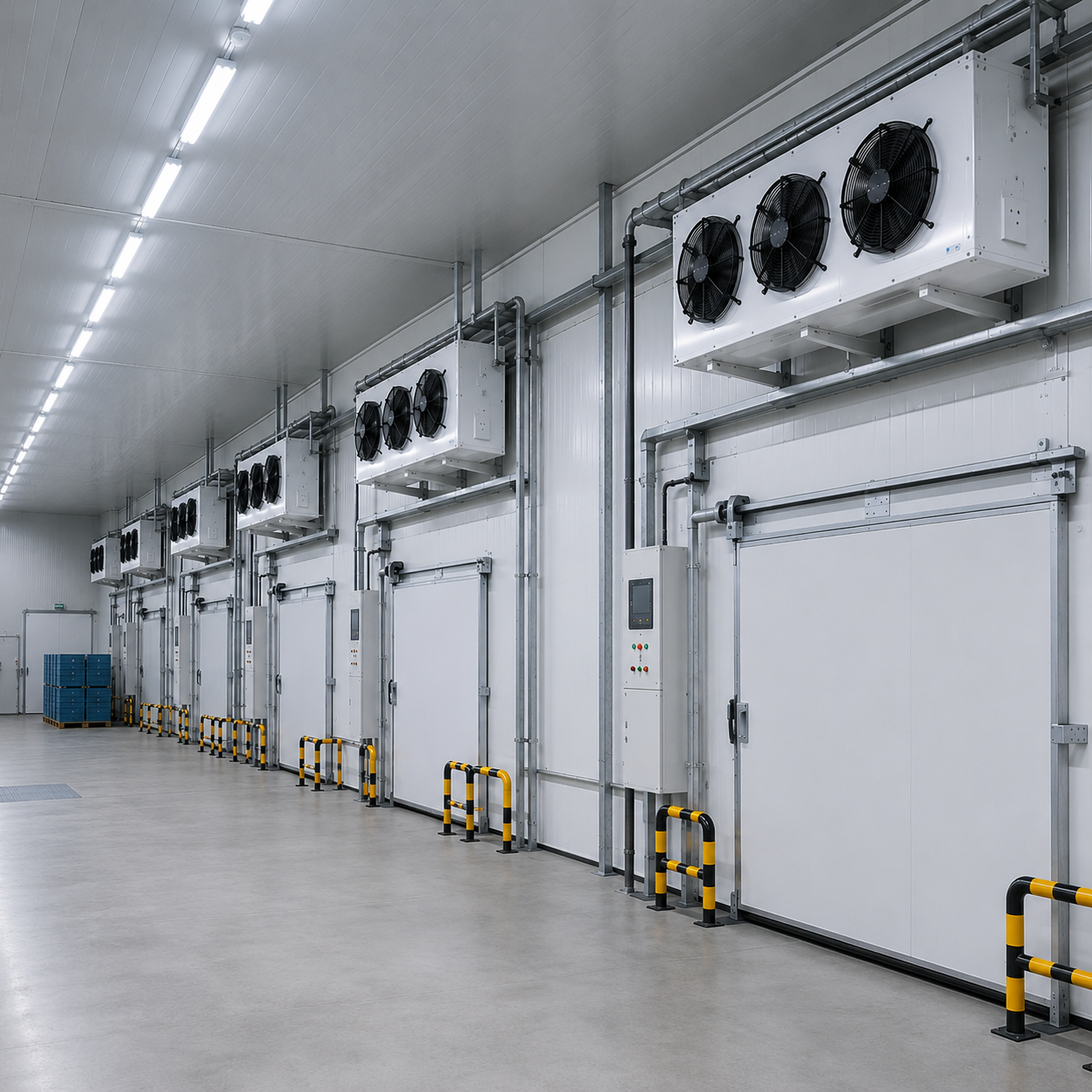
Axial fans play a key role in condenser and evaporator systems by providing strong airflow and efficient heat dissipation. They help maintain stable temperature conditions in refrigeration systems and improve overall heat exchange efficiency.
AC-type fans are designed for reliable operation across a wide temperature range in both high- and low-temperature environments. With IP54/IP55 protection ratings, they are suitable for indoor and outdoor installations.
EC-type fans support various control methods, including 0–10V, PWM, and RS485 communication. They can also provide real-time speed feedback to control systems, enabling precise monitoring and centralized equipment management.
Steel and aluminum fan blades ensure high rotational speed and strong airflow performance. Plastic fan blades are used in high-humidity environments, corrosive salt-air conditions, and medical facilities where corrosion resistance is essential. Axial fans are available in diameters from 350 mm to 1000 mm and are used in refrigeration systems to ensure efficient cooling and stable operation
Data Centers
Data centers are facilities with extremely high thermal loads due to the large amount of continuously operating server and networking equipment. To ensure stable and uninterrupted performance of IT infrastructure, it is essential to maintain optimal temperature conditions and efficiently remove excess heat.
Ventilation systems play a critical role in data center cooling strategies. They ensure continuous air circulation, support uniform temperature distribution, and help dissipate heat generated by server racks and electronic equipment. Proper airflow management reduces the risk of overheating, improves system stability, and minimizes the likelihood of equipment downtime.
Since data centers operate 24/7, ventilation equipment must meet strict requirements for reliability, durability, and energy efficiency. Modern AC and EC fans are widely used in such environments due to their ability to provide controlled airflow, adjustable speed operation, and integration with monitoring and automated control systems.

Energy Storage
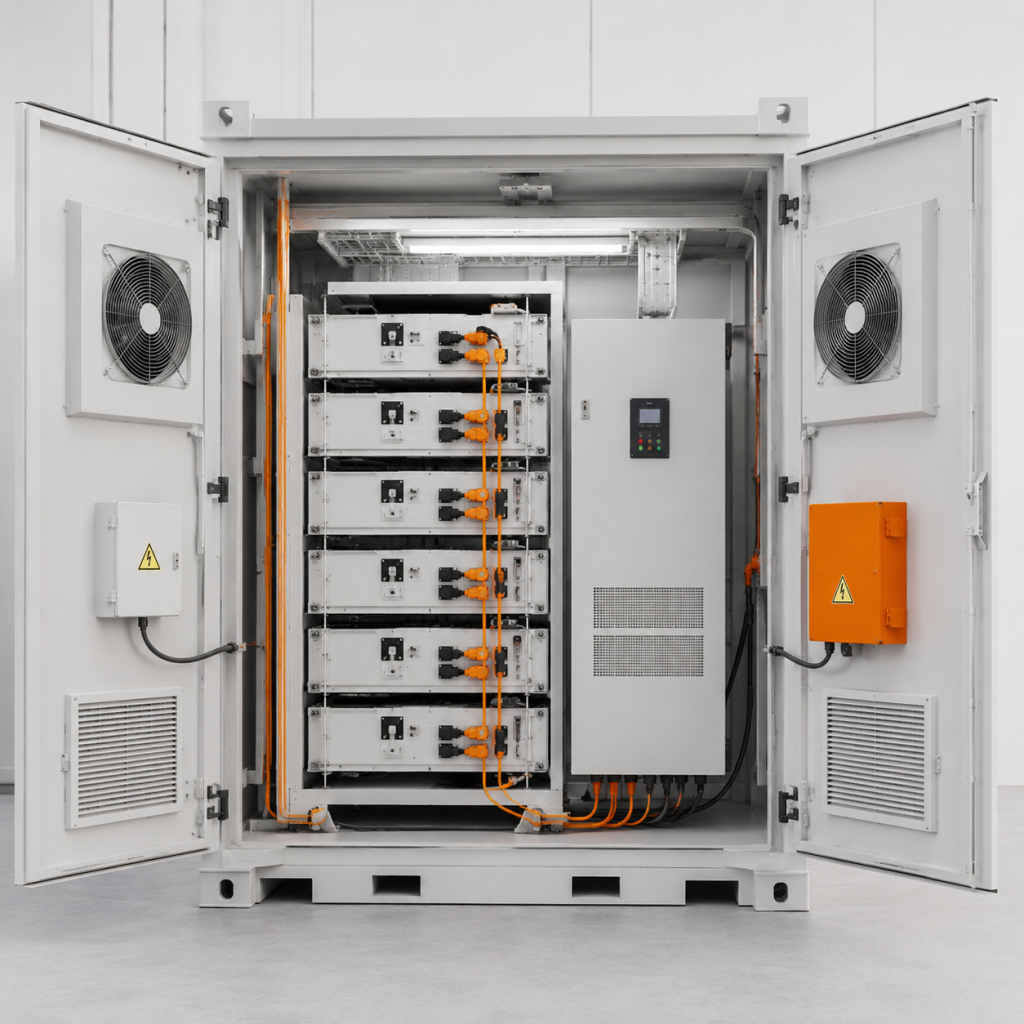
Energy storage systems operate under significant thermal stress caused by continuous charge and discharge cycles of battery modules. During intensive operation, batteries generate substantial heat, which can negatively affect performance, safety, and overall service life. For this reason, effective cooling and precise temperature control are critical for maintaining stable system operation.
In modern energy storage facilities, ventilation solutions based on axial and centrifugal fans with a high level of dust and moisture protection (IP55) are widely used. Such systems ensure continuous air circulation within battery enclosures and around battery packs, effectively removing excess heat and preventing overheating even during long-term operation.
Due to their energy efficiency and stable performance, axial fans are commonly applied in energy storage cooling systems. They consume relatively low power while providing consistent and uniform airflow, which helps maintain balanced temperature distribution across all battery modules.
Ventilation
Chemical manufacturing requires reliable ventilation to remove hazardous fumes, gases, and airborne contaminants, helping maintain a safe and productive working environment.
Industrial fans provide continuous airflow and efficient extraction of polluted air from production areas. Their high-performance design supports stable air circulation and improves workplace safety.
Built for demanding conditions, these systems offer strong resistance to corrosion and chemical exposure, reducing maintenance needs and minimizing downtime.
Equipped with brushless DC (BLDC) motors, modern ventilation systems deliver high energy efficiency, low noise levels, and dependable 24/7 operation. Their long service life and stable performance make them an ideal choice for industrial applications.
Combining durability, efficiency, and advanced engineering, these ventilation solutions help chemical facilities maintain safe and uninterrupted production processes.
Fresh Air
Indoor air quality has become one of the key considerations in the design of modern residential and commercial buildings. Ensuring a continuous supply of fresh air helps create a comfortable environment for both work and leisure while contributing to the well-being of occupants.
To achieve efficient ventilation, next-generation supply air fans are widely used. They provide a stable flow of outdoor air into indoor spaces and, when combined with filtration systems, help reduce dust and other airborne contaminants. Thanks to optimized airflow distribution, a comfortable indoor climate can be maintained throughout the entire building.
Modern fans equipped with EC motors combine high performance with low energy consumption. They offer quiet operation, precise speed control, and reliable continuous performance. Their long service life and stable operating characteristics make them an effective solution for ventilation equipment where energy efficiency, durability, and user comfort are essential.
Purification
Pharmaceutical manufacturing demands uncompromising sterility within production areas. Specialized industrial ventilation equipment is engineered specifically for integration into complex air filtration and purification systems at these facilities.
Driven by high pressure and stable performance, modern centrifugal fans maintain continuous recirculation of air masses through ultra-fine filtration systems. This ensures a seamless process for achieving and sustaining a certified ‘cleanroom’ microclimate. Integrating these ventilation units into project designs guarantees absolute product safety and full compliance with strict GMP standards and industry regulations.

FFU (Fan Filter Unit)
Fan Filter Units (FFUs) are among the key components of modern air purification systems and are widely used in cleanrooms across various industries. They play a particularly important role in semiconductor manufacturing, electronics production, medical device manufacturing, pharmaceuticals, and other sectors where even the smallest contaminants can negatively affect product quality.
By combining high-efficiency filtration with advanced energy-saving fans, FFUs provide a stable laminar airflow that is evenly distributed throughout the cleanroom. This enables the effective removal of dust, aerosols, and other airborne particles while maintaining the required cleanliness class in accordance with international standards. The use of energy-efficient motors also helps reduce operating costs and improve the overall efficiency of the ventilation system.
One of the main advantages of FFUs is their ability to create a controlled environment with an extremely low concentration of airborne contaminants. In semiconductor manufacturing, this is particularly critical, as even microscopic particles can cause defects in the production process and reduce the quality of the final product. For this reason, Fan Filter Units have become a standard solution for maintaining stable cleanroom conditions.
HVAC (Heating, Ventilation, and Air Conditioning)
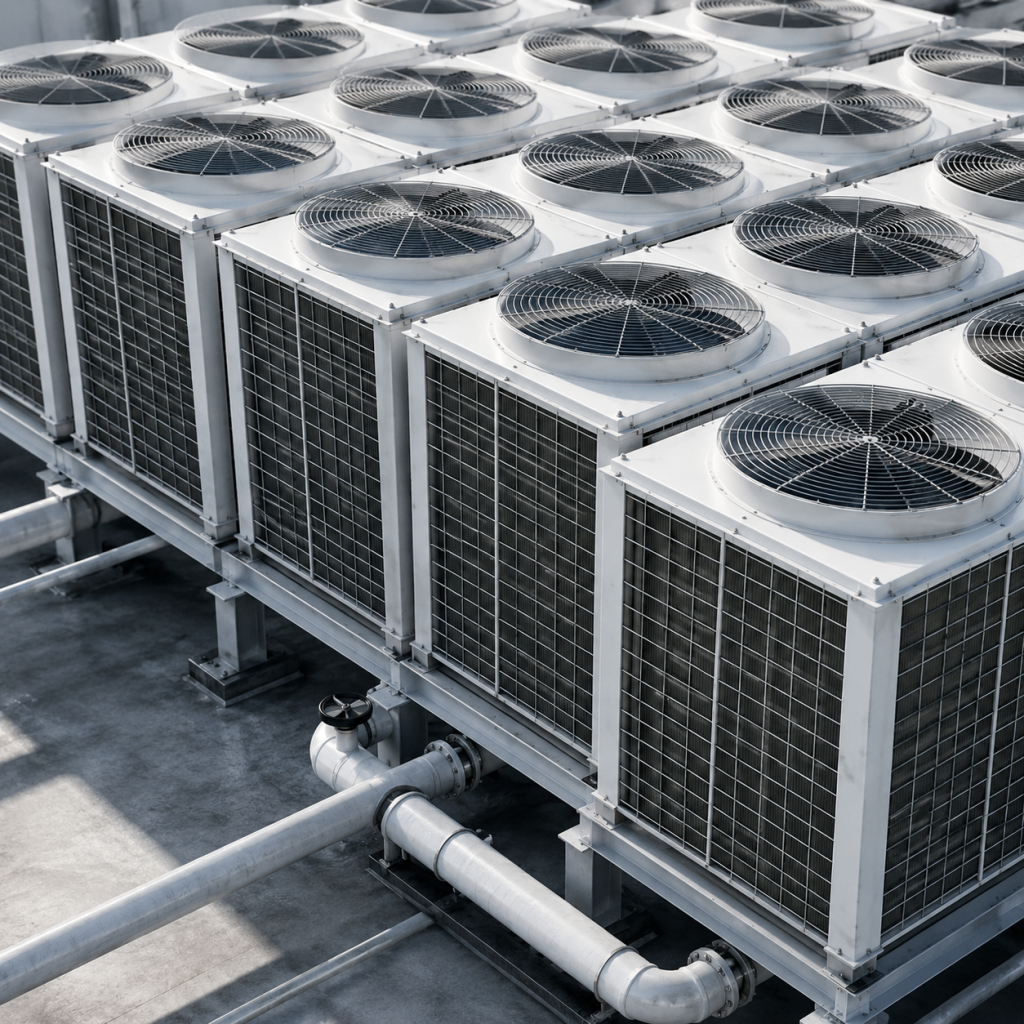
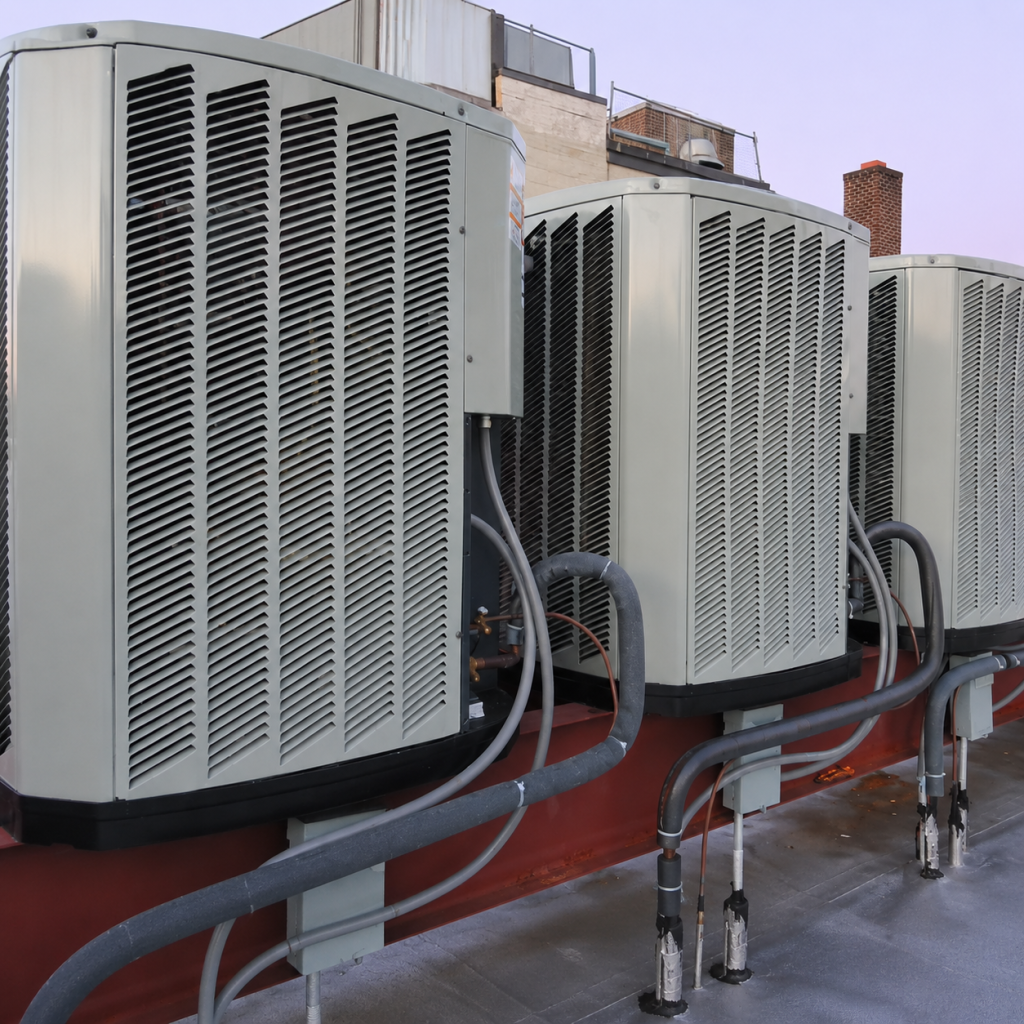
Modern HVAC systems require fans capable of delivering high airflow and reliable air pressure while maintaining energy-efficient operation. Our axial and centrifugal fans are specifically engineered for HVAC applications, combining high performance, durability, and long-term operational reliability.
Designed to handle large air volumes efficiently, these fans help optimize heating, cooling, and ventilation processes in commercial, industrial, and public buildings. Their advanced EC motor technology contributes to lower energy consumption while ensuring stable airflow and consistent indoor comfort.
An additional advantage is the integration of intelligent control systems, allowing equipment monitoring and operation through computers, building management systems, or mobile devices in real time. This improves system management, reduces maintenance requirements, and enables more efficient facility operation.
Air Conditioning